A short history of the Texas Hill Country
The land around Double Diamond Ranch has been drawing people to it for thousands of years. Here's the story of how it became the place it is today.
Limestone, springs, and live oaks
The Hill Country begins where the Balcones Escarpment lifts the land up out of the coastal plains — the rugged eastern shoulder of the Edwards Plateau. Water shaped everything here: rain works through the porous limestone and returns as spring-fed creeks and rivers, among them the Guadalupe and Medina, and Cibolo Creek, which runs through Boerne minutes from the ranch gate.
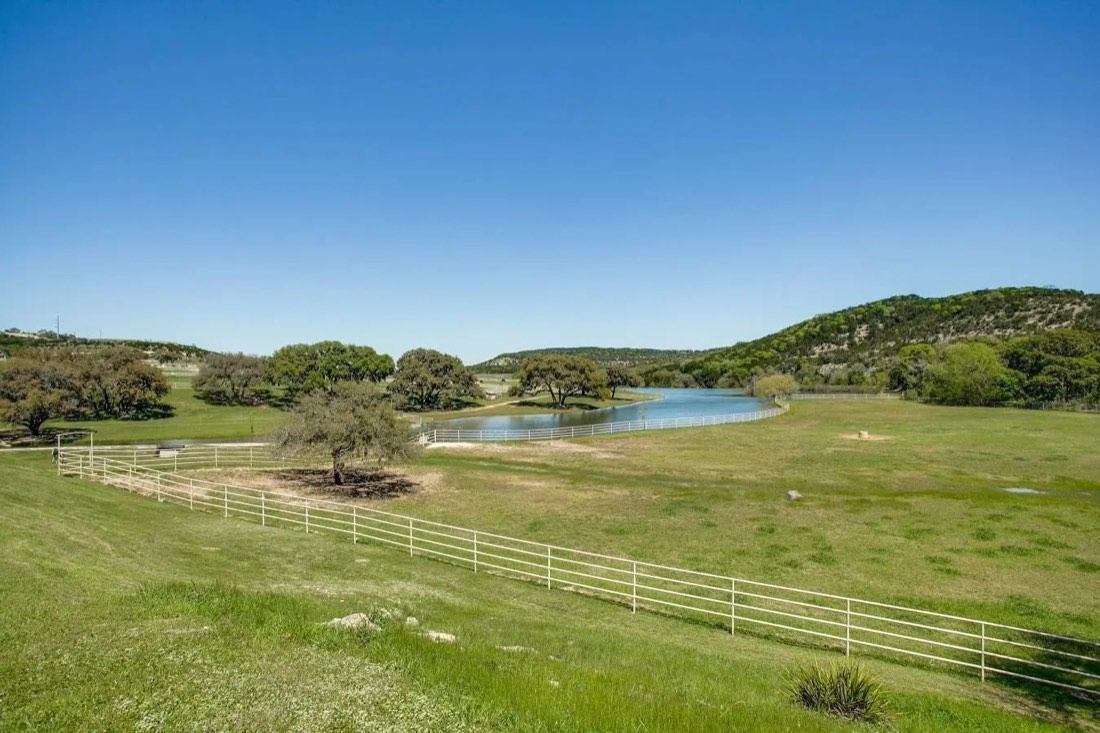
The result is a landscape unlike anywhere else in Texas — live oak savannas, ashe juniper breaks, wildflower meadows, and clear-running water beneath white limestone bluffs.
Ten thousand years of gathering
People have camped along Hill Country springs and river crossings for at least ten thousand years. In more recent centuries the region was home to the Tonkawa and Lipan Apache, and by the 1700s it marked the southern reach of the Comanche — the great horse people whose presence defined the frontier for a hundred years. Long before fences, the springs were meeting grounds.
Missions and the first ranches
Spanish missions took root at San Antonio in 1718, bringing the cattle and horses that would become the foundation of Texas ranching. Ranchos spread along the rivers below the escarpment, and the vaquero traditions born there still echo in everything from saddle design to the words we use — lariat, remuda, ranch itself.
Freethinkers in the hills
In the 1840s, thousands of German immigrants came to the frontier under the Adelsverein colonization society, founding New Braunfels in 1845 and Fredericksburg in 1846. In 1847, John Meusebach's treaty with the Penateka Comanche opened the hills to settlement — an agreement often described as one of the few never broken.
Boerne itself was founded in 1852 by German freethinkers and named for the writer Ludwig Börne. Their legacy survives in the limestone-and-cypress craftsmanship of the region's old buildings, and in a stubborn independent streak the Hill Country never lost.
The ranching century
After the Civil War, longhorns gathered from these hills moved north on the great cattle trails. Families fenced the pastures, raised windmills over wells, and turned to sheep and Angora goats on the rockier ground — by the early 1900s the region led the nation in wool and mohair. Generations of Hill Country families built their lives around land like this, and working ranches still shape the country between the towns.
The Hill Country now
The modern Hill Country is President Lyndon Johnson's home ground, the Highland Lakes, bluebonnet springs, vineyards, dance halls, and small-town main streets — including Boerne's Hill Country Mile, five minutes from the ranch. It has become one of the most visited corners of Texas, but the draw is the same as it always was: the land itself.
Double Diamond Ranch carries that story forward — 180 acres of the same limestone pasture, live oaks, and spring-fed water, now open for the gatherings that mark life's biggest moments.